
Popular Exteriors for Canadian Homes
Written by Artisan Contracting on October 14, 2015
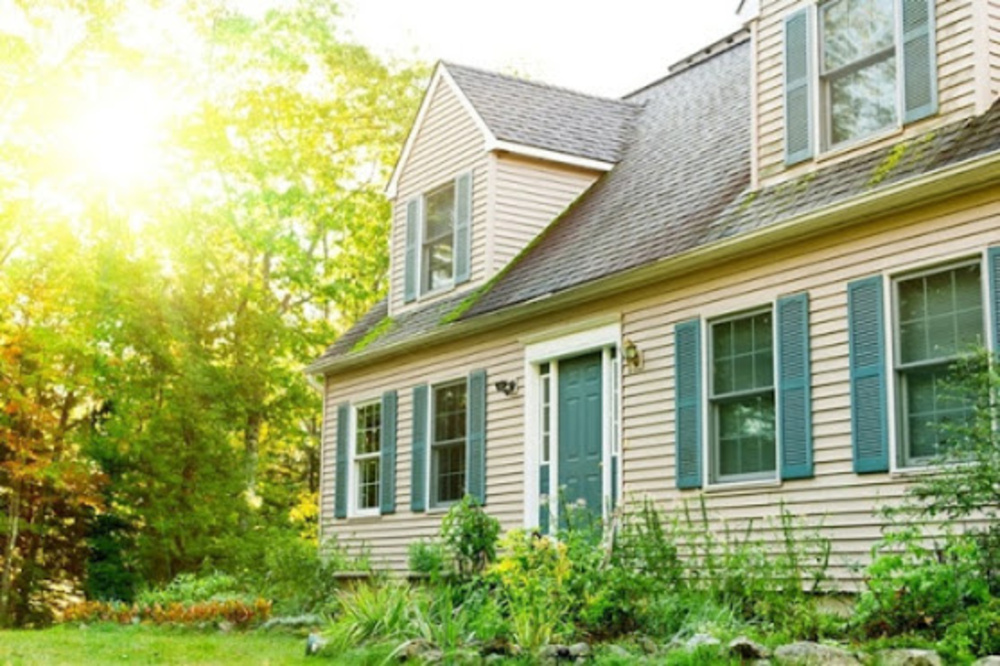
Nothing perks up a home’s curb appeal quite like a new exterior. As years go by, a siding choice that may have looked great in its time can appear tired and dated. Or if you’ve had a major renovation such as an addition, the new and the old parts of your home may appear disjointed. A new exterior may be just the “facelift” your home needs. What people are often surprised to learn is just how many types of exteriors are available.
The following are some of the most popular home exteriors for Canadian homes:
Vinyl Siding
There is good reason that vinyl siding is such a popular choice with Canadian homeowners today. It is low cost and easy to maintain and comes in a large selection of colours. While this material was at one time considered to have somewhat of a plastic – even cheap – look to it, the technology has come a long way and it is now a product that can look quite appealing.
Wood Siding
Wood siding is valued for the rich and luxurious look that it provides and it is available in two main styles. The clapboard style involves overlapping horizontal planks of wood while shakes or shingles are arranged much the same way that you would arrange singles on a roof.
The drawback to wood however is, that it does require some maintenance in order to keep it weather resistant and free of pests. But if you are the type of homeowner that doesn’t mind putting in the extra effort, a home with wood siding can make you the envy of the neighbourhood.
Brick Siding
Beautiful and durable, brick has been a popular building material for centuries. In modern homes, brick siding is typically constructed into a veneer on the outside of the home’s wooden frame. Because this process is labour intensive, brick siding is one of the costlier options up front, however properly constructed it can last for the life of your home.
Stucco Siding
If you love the look of Mediterranean housing, you might enjoy having stucco siding on your home. Stucco is a mixture of building sand, Portland cement, lime and water. As this can be quite a difficult material to work with however, only a qualified and experienced contractor should be considered for the job.
Stone and stone veneer siding
Just like granite and other natural stone countertops in your kitchen can add an element of warmth and richness, the texture and beauty of stone can also provide an impressive exterior to your home. Stone veneer is often made of synthetic materials rather than natural stone as it is lighter in weight and less expensive. Nevertheless it still provides a stunning effect and can last for the life of your home.
Fiber-cement siding
Fiber-cement siding is an option for homeowners who wish to have a material that mimics the appearance of wood or stucco at a lower price point. Fiber-cement siding is available in a wide range of styles and typically lasts between 25 and 50 years.
If you’re looking to amp up your home’s curb appeal with a new exterior, be sure to consider all your options and make the choice that is right for you and your home. If you’d like to learn more about any of these options contact the folks at Artisan Contracting – we’d be happy to help you make an informed decision.